International protection requirements were directly impacted by political changes in 2021 and the first half of 2022, which sparked waves of migration to EU+ nations.
The rise of the Taliban to power in Afghanistan and the Russian invasion of Ukraine led to new needs for protection and increased the number of asylum seekers in Europe. Furthermore, the Common European Asylum System, the only multinational asylum system in the world, faced significant obstacles in the wake of COVID-19 due to the increase in the number of asylum seekers, which necessitated innovative solutions (CEAS). These incidents serve as a harsh reminder of how swiftly migration and asylum trends can shift.
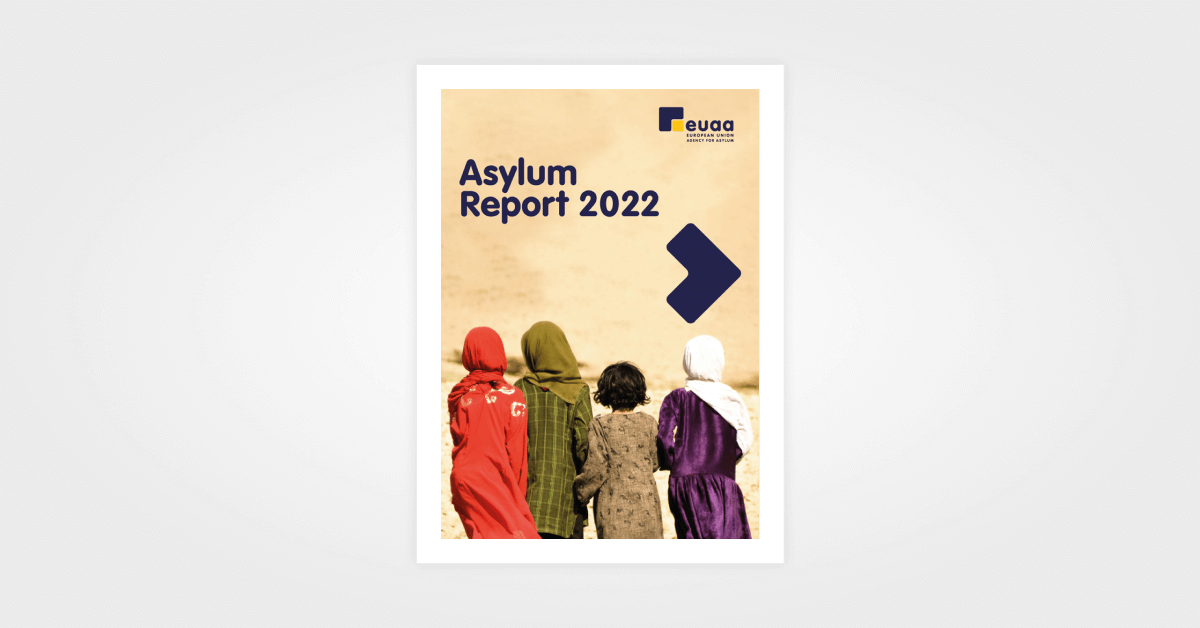
In light of this, the Asylum Report 2022 emphasizes how national asylum and reception systems’ readiness and adaptability were put to the test in order to continue offering protection to individuals in need. High arrival rates put many administrations under a lot of stress as they continued to work around COVID-19 regulations. The study highlights areas where the CEAS is being implemented convergently, but it is not afraid to draw attention to areas where there are still divergences and where improvements may be made.
As the legal framework of the European Commission’s Pact on Migration and Asylum is adopted, the resilience of asylum systems can only increase. Additionally, the European Union Agency for Asylum (EUAA), which has a strengthened mandate as of January 2022, plays a critical role in further calibrating CEAS and actively assisting Member States.
But it’s equally crucial to pay attention to the opinions of those on the ground. The Refugee Report, which cites more than 1,500 trustworthy sources, including state agencies, international organizations, academics, and civil society organizations, is the most thorough current update on the asylum situation in Europe.